Warm
Cup the glass in your hand so the aromas become easier to perceive.
A curated field guide
A carefully chosen collection of mills, farms, estates, harvest experiences and territorial journeys. Here olive oil becomes culture: land, craft, season, technique and flavour.
Visits, tastings and harvest experiences should always be confirmed directly before departure; opening days and seasonal formats may change.
Useful truth: colour is not a reliable measure of quality. Fruitiness, bitterness, pungency, balance and freshness tell you much more.
A simple tasting is more revealing than bread alone. Work from aroma to texture, then use food to understand how the oil behaves at the table.
Cup the glass in your hand so the aromas become easier to perceive.
Look for fresh olive fruit, grass, artichoke, herbs, almond or tomato leaf.
Take a small amount and spread it through the mouth before judging intensity.
Draw in a little air to release aroma and notice bitterness and throat pungency.
Only then add bread, beans, vegetables, soup, fish, meat or another simple food.
Start close to Lucca, follow the working mills of Monte Pisano, learn through harvest and guided tasting, or build a complete territorial journey.
The local heart
The hills around Lucca and the Compitese are one of Tuscany’s historic olive-growing landscapes. Small farms, cooperative mills and villa estates produce oils that are generally elegant, balanced and closely connected with local bread, soups, vegetables and beans.
The hills around Lucca and the Compitese are one of Tuscany’s historic olive-growing landscapes. Small farms, cooperative mills and villa estates produce oils that are generally elegant, balanced and closely connected with local bread, soups, vegetables and beans.
Choose a working mill to understand extraction, or a farm visit to connect the olive groves with the wider Lucchese landscape. Visits and tastings are often by reservation and may change during the autumn harvest.
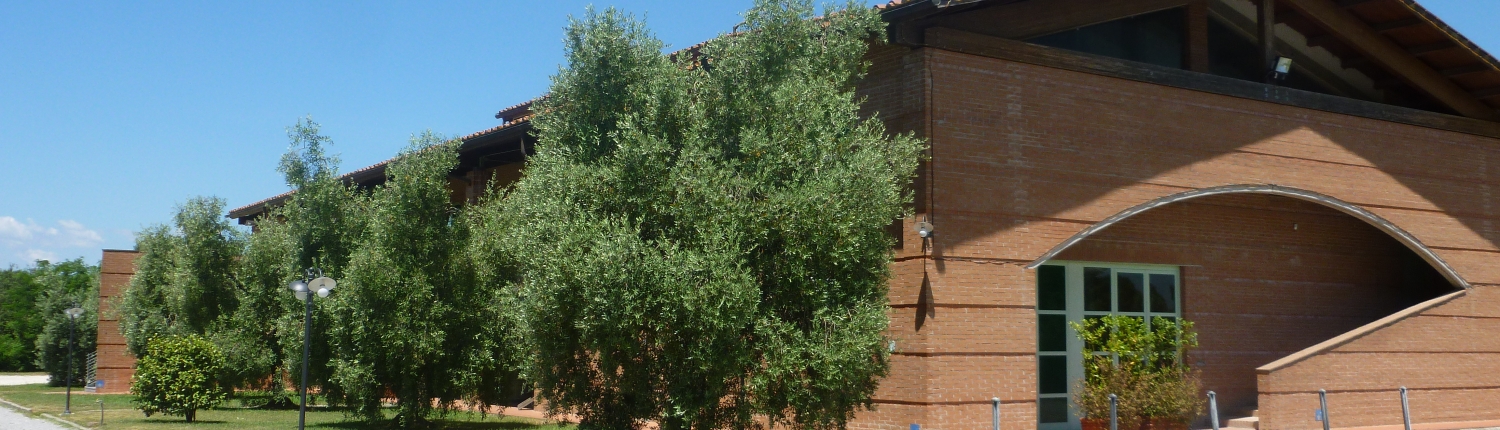
A historic cooperative mill at the centre of the Compitese olive-growing community, created to serve local growers and preserve the quality and identity of Lucca oil.
Arrange the visit directly in advance, especially if you want to see the production area rather than simply shop for oil.

A small cooperative mill preserving a traditional system based on stone millstones and pressure presses, offering a direct contrast with modern continuous extraction.
Opening hours and production access vary with the season. Call ahead to arrange a tasting and ask whether the mill will be working.
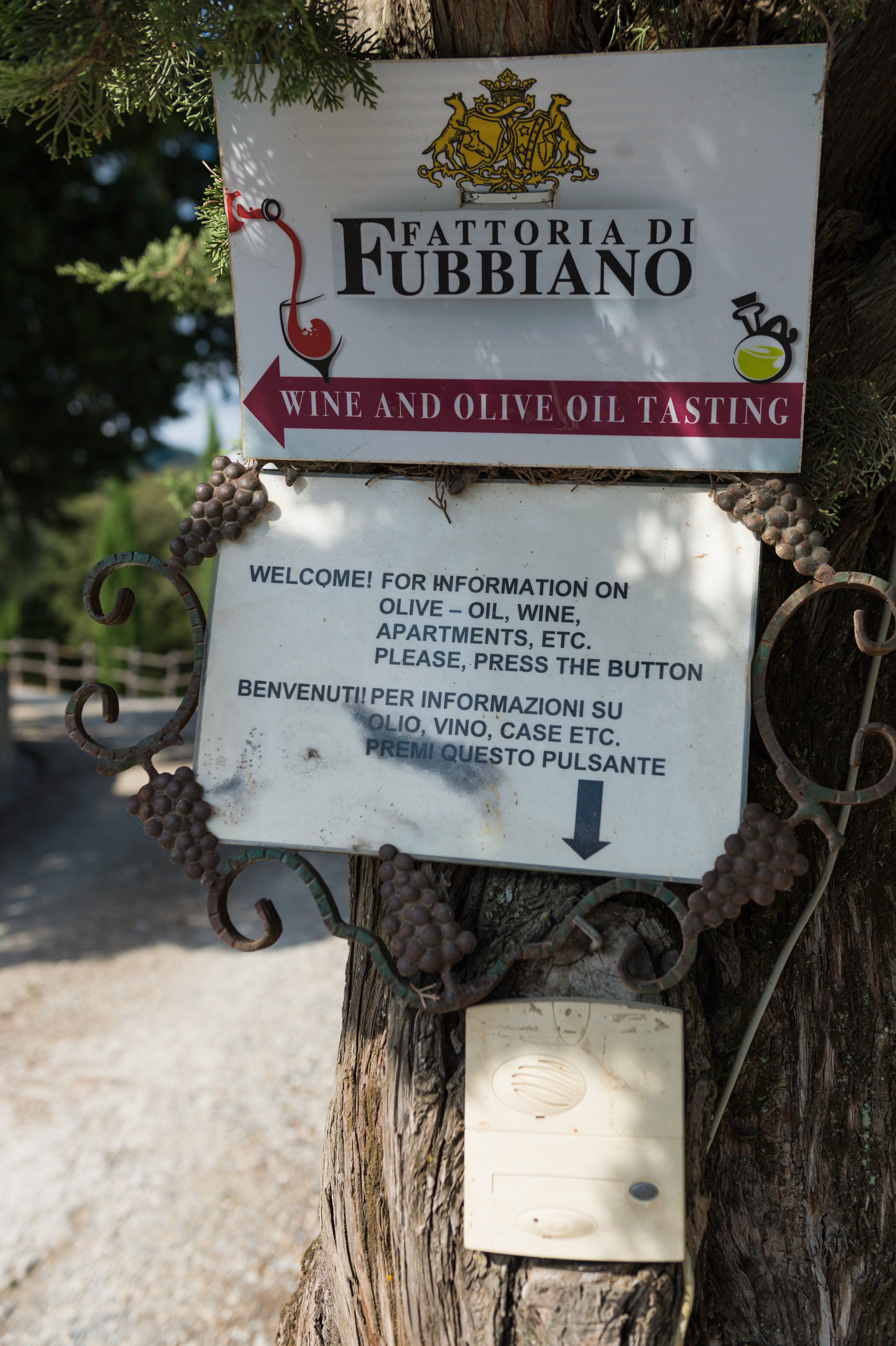
A seventeenth-century Lucchese villa-farm where olive oil, wine, architecture and the restored rural settlement remain part of one coherent estate experience.
This is usually an advance-booked oil-and-wine visit for small groups; choose it for an estate experience rather than a specialist oil class.
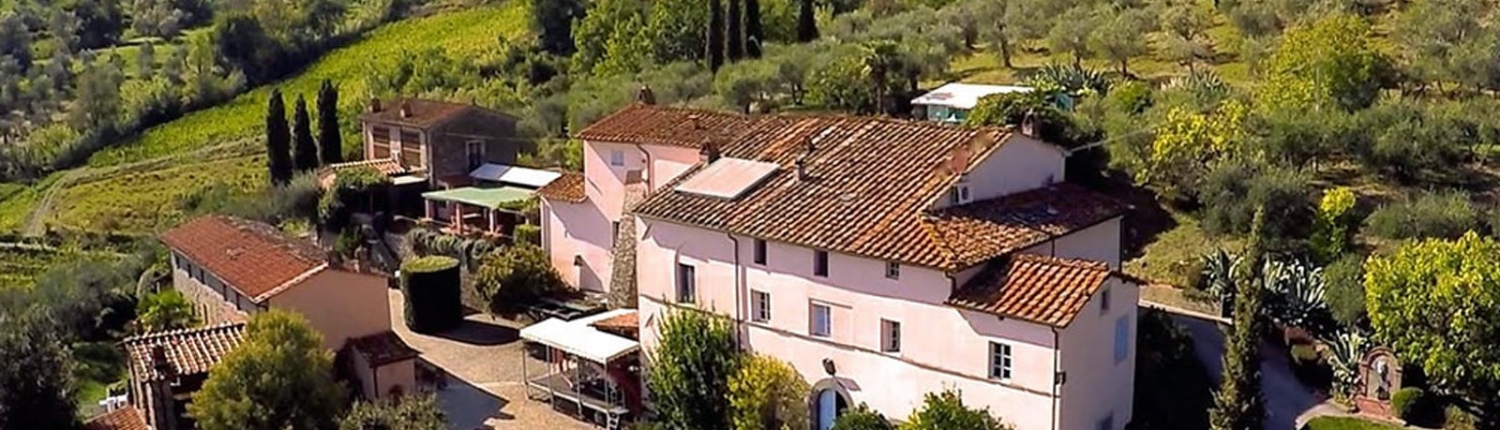
A historic hill estate with its own olive press, organic olive oil and a structured farm tour that can be extended with a tasting, local platter, light lunch or cooking class.
Book directly in advance and confirm the language, visit format and seasonal opening.

A traditional farm in the Tofori hills producing wine and olive oil from scattered vineyards and groves, with a visitor experience centred on the products and landscape of the estate.
Ask for the current tasting that includes the farm’s olive oil; available formats may change during the year.
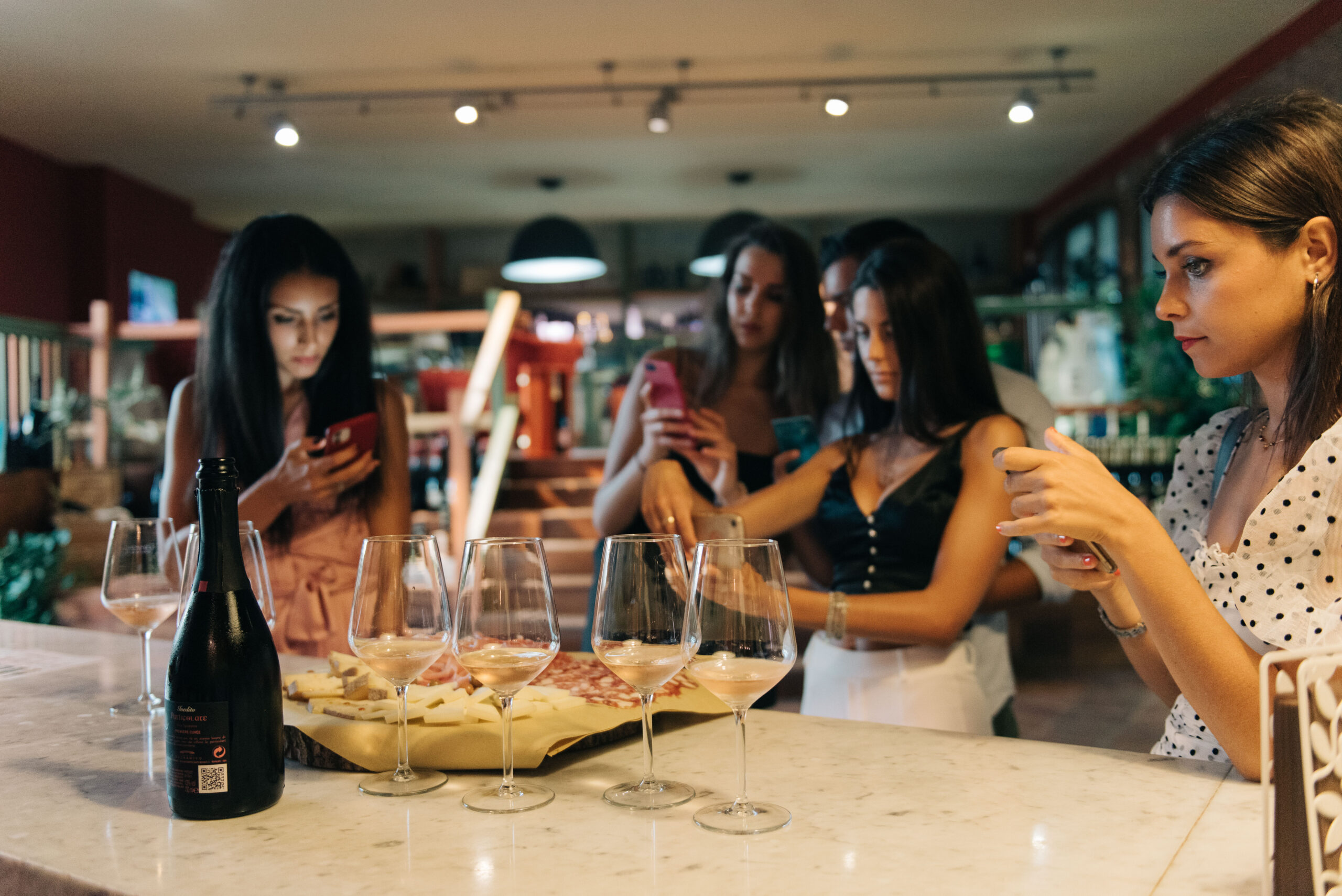
A large and accessible Montecarlo estate producing several extra virgin olive oils, including Lucca DOP, and incorporating them into its guided visitor experience.
Most visits are centred on wine, so request the option that gives proper time to the estate’s olive oil.
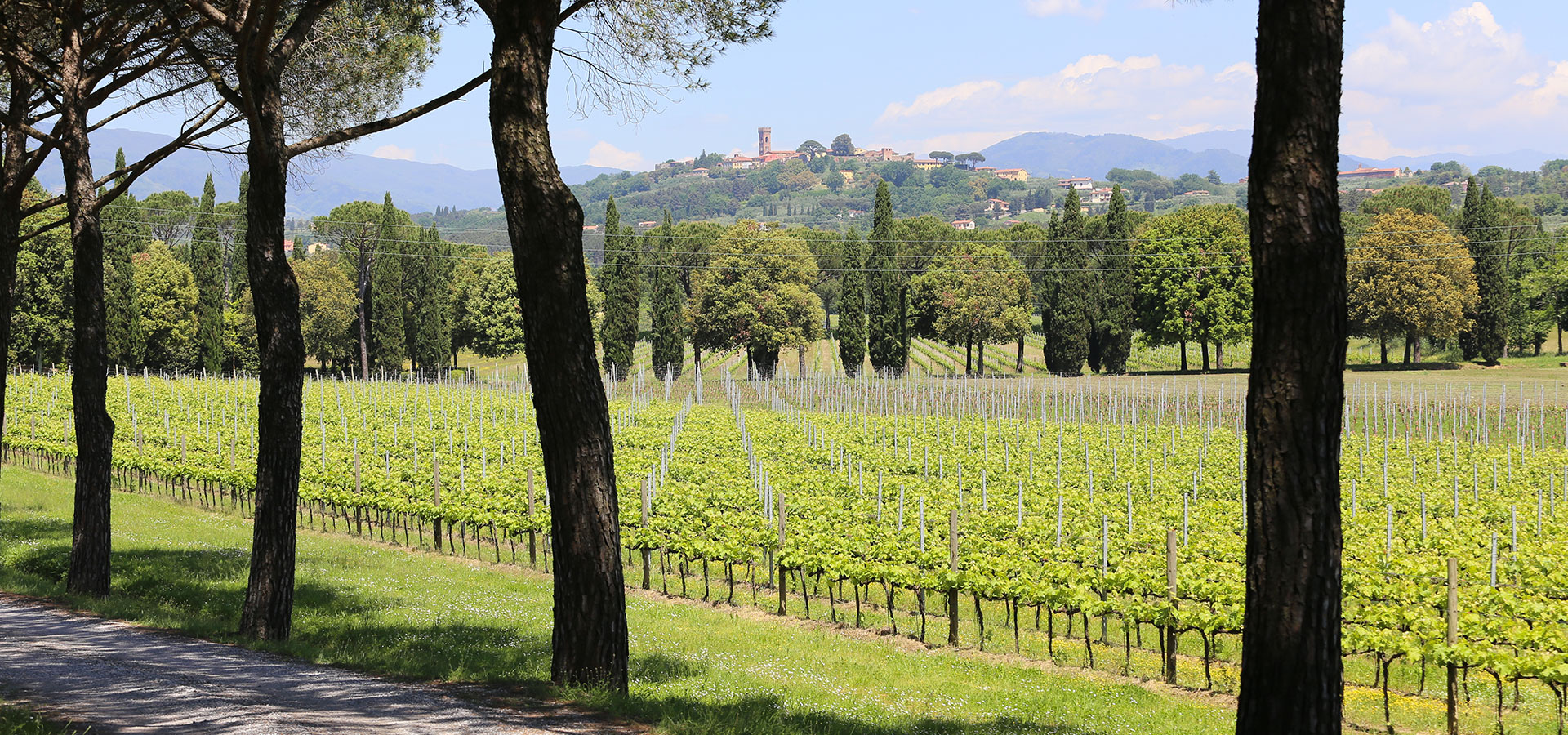
A Montecarlo farm combining vineyards, olive trees, estate products and bookable tastings in a rural setting.
Request an oil tasting with explanation when booking; some visits focus more strongly on wine and food.

A hill estate with dedicated spaces for oil and wine tastings, suitable for guests seeking a structured group experience with Tuscan products.
Book in advance and ask about duration, language and which oils are included.
From fruit to oil
The Monte Pisano olive landscape connects terraced groves, village cooperatives, historic mills and modern extraction plants between Pisa and Lucca.
The Monte Pisano olive landscape connects terraced groves, village cooperatives, historic mills and modern extraction plants between Pisa and Lucca.
Choose a working mill for a production-focused introduction, Buti for a complete village-level oil culture, or a small farm in Calci for a slower tasting among vineyards and olive terraces.

The most complete olive-oil experience on Monte Pisano, combining a modern working mill, guided visits, sensory tasting, training and food designed around the mill’s oils.
Ask whether the mill is processing on your chosen date. Tastings, the shop, events and the Ristoro may have separate schedules.

A community cooperative founded to serve Buti’s small olive growers and protect the terraced olive landscape from abandonment.
The shop and tasting can be available when the production area is not. Arrange the full route in advance if seeing the machinery matters.
A long-established private olive mill in Buti, offering a different production model from the local cooperative.
Contact the mill before travelling to choose between a production visit, tasting, grove visit or direct purchase.

A historic olive-mill experience linked with the groves of Vicopisano, combining production history, oil tasting and the agricultural landscape beneath the medieval town.
Arrange the visit directly and confirm opening, language, tasting and whether the historic production areas can be seen.

A specialised oil venue where visitors can compare Monte Pisano oils with selected oils from other Tuscan and Italian territories.
This is an oil-tasting venue rather than a working mill. Check opening times and reserve a guided comparison if that is what you want.
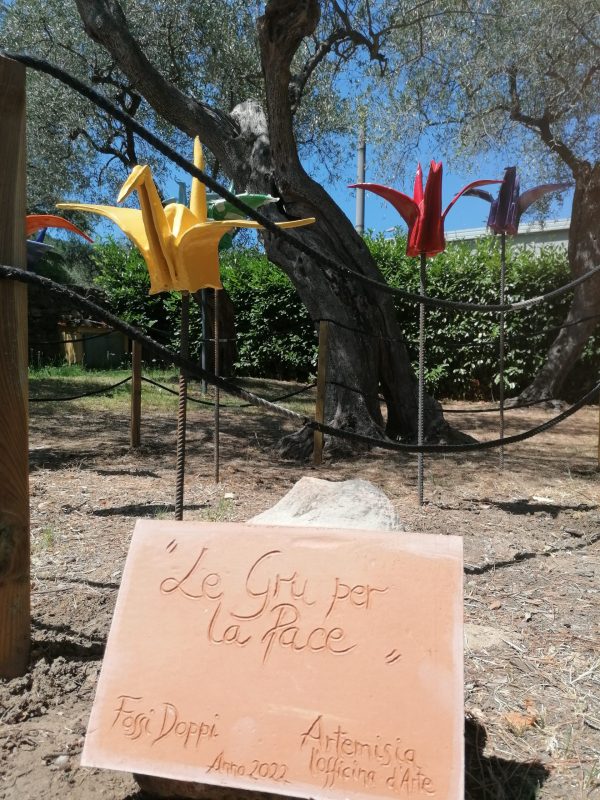
A historic oil-mill building interpreted as part of Buti’s cultural route, preserving the relationship between the Rio Magno, water infrastructure and local olive processing.
The historic machinery is visited through scheduled or private tours; live milling is not part of every visit.

A specialist olive-oil experience in the Valgraziosa, combining farm and mill interpretation with guided sensory tasting.
Arrange directly in advance and confirm the meeting point, language, group size, duration and access to the mill.

A small organic farm in the Valgraziosa offering a relaxed vineyard walk and tasting of natural wines, estate olive oil and vegetarian local food.
Reserve in advance. The experience combines wine, food and oil rather than functioning as a dedicated mill tour.
Learn by tasting
These experiences go beyond buying a bottle. They connect olive groves, harvest, milling, professional tasting and food pairing through farms, historic estates and specialist producers.
These experiences go beyond buying a bottle. They connect olive groves, harvest, milling, professional tasting and food pairing through farms, historic estates and specialist producers.
Choose a harvest experience in autumn, a grove-and-mill tour to understand production, or a guided tasting when you want to compare oils and learn how to recognise quality.
Harvest dates depend on weather and fruit maturity. Mill machinery may not be operating outside the production season, and some historic estates offer olive-oil tastings only on request.
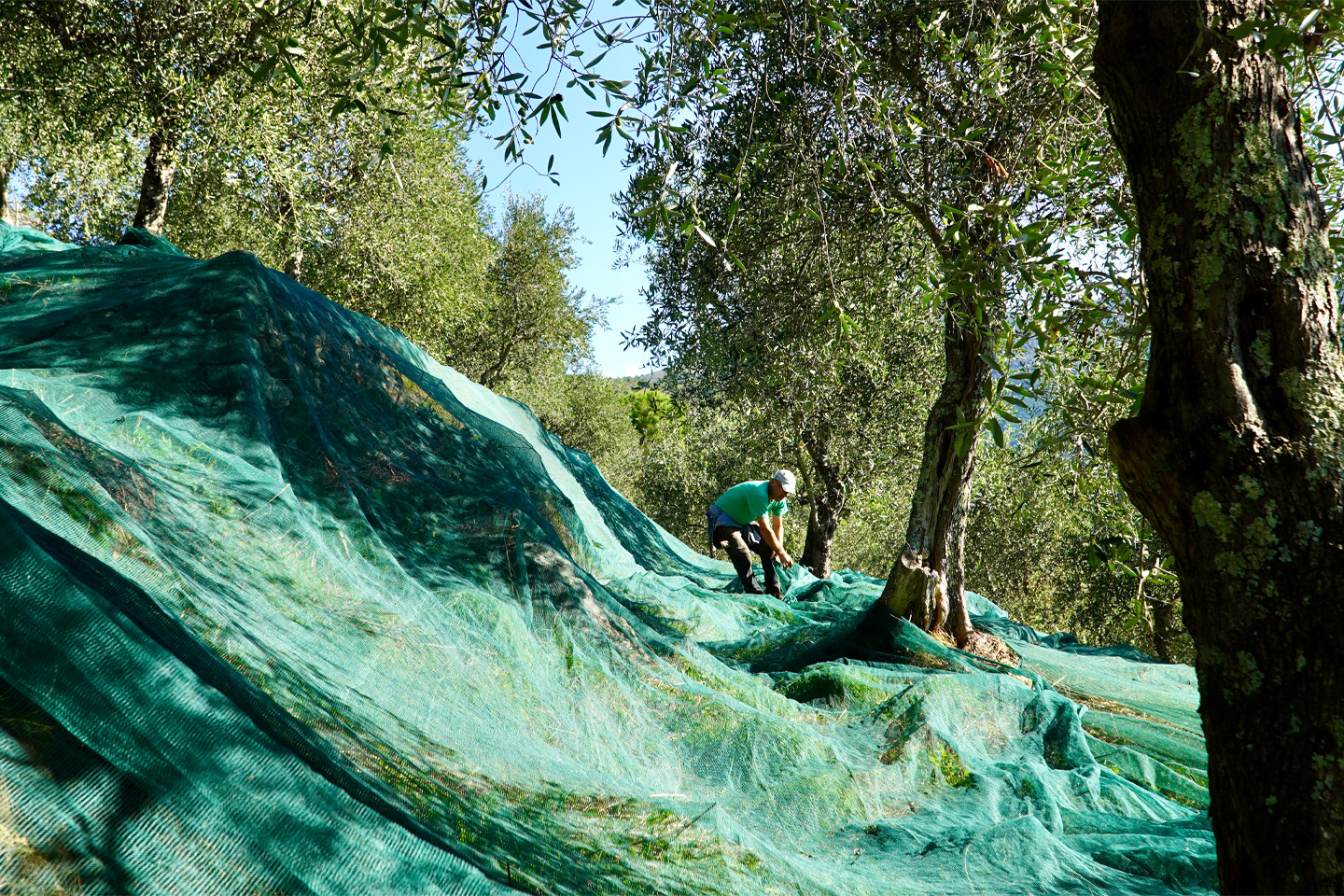
A supervised introduction to the autumn olive harvest in the terraced landscape of Calci, connecting traditional picking techniques with the transformation of olives into extra virgin olive oil.
Harvest dates depend on ripeness and weather. Confirm the current calendar, clothing, accessibility and whether the day includes milling.

A historic villa-resort in Mugello built around olive-oil culture, offering sensory seminars, an Oleoteca and seasonal participation in the harvest and transformation of its olives.
Ask whether activities are open to day visitors and whether accommodation is required. Harvest and wellness programmes follow separate schedules.
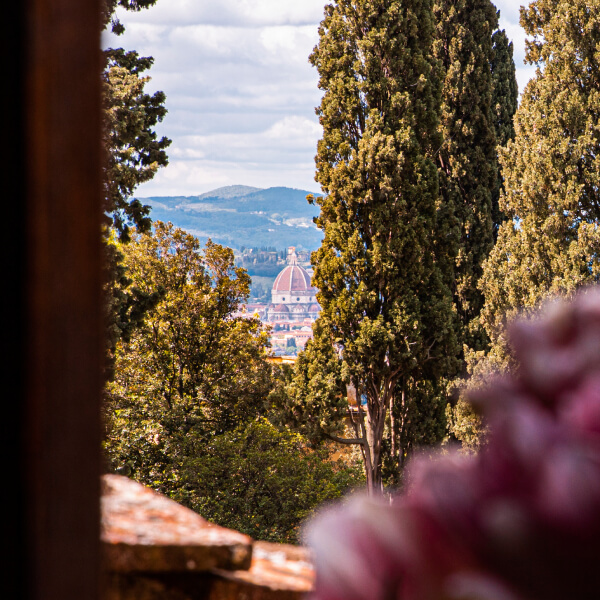
A guided farm experience in the historic Fiesole landscape, connecting organic olive groves, the estate mill and a tasting of the farm’s extra virgin olive oil.
Confirm the language, group format and access to the mill when booking; choose the olive-oil activity rather than one of the farm’s many other experiences.

A specialist producer experience focused on the culture of extra virgin olive oil, from cultivar and rapid processing to controlled extraction, storage and sensory comparison.
Pruneti welcomes guests at more than one location. Confirm the exact venue, oils included, language and whether the mill forms part of the visit.
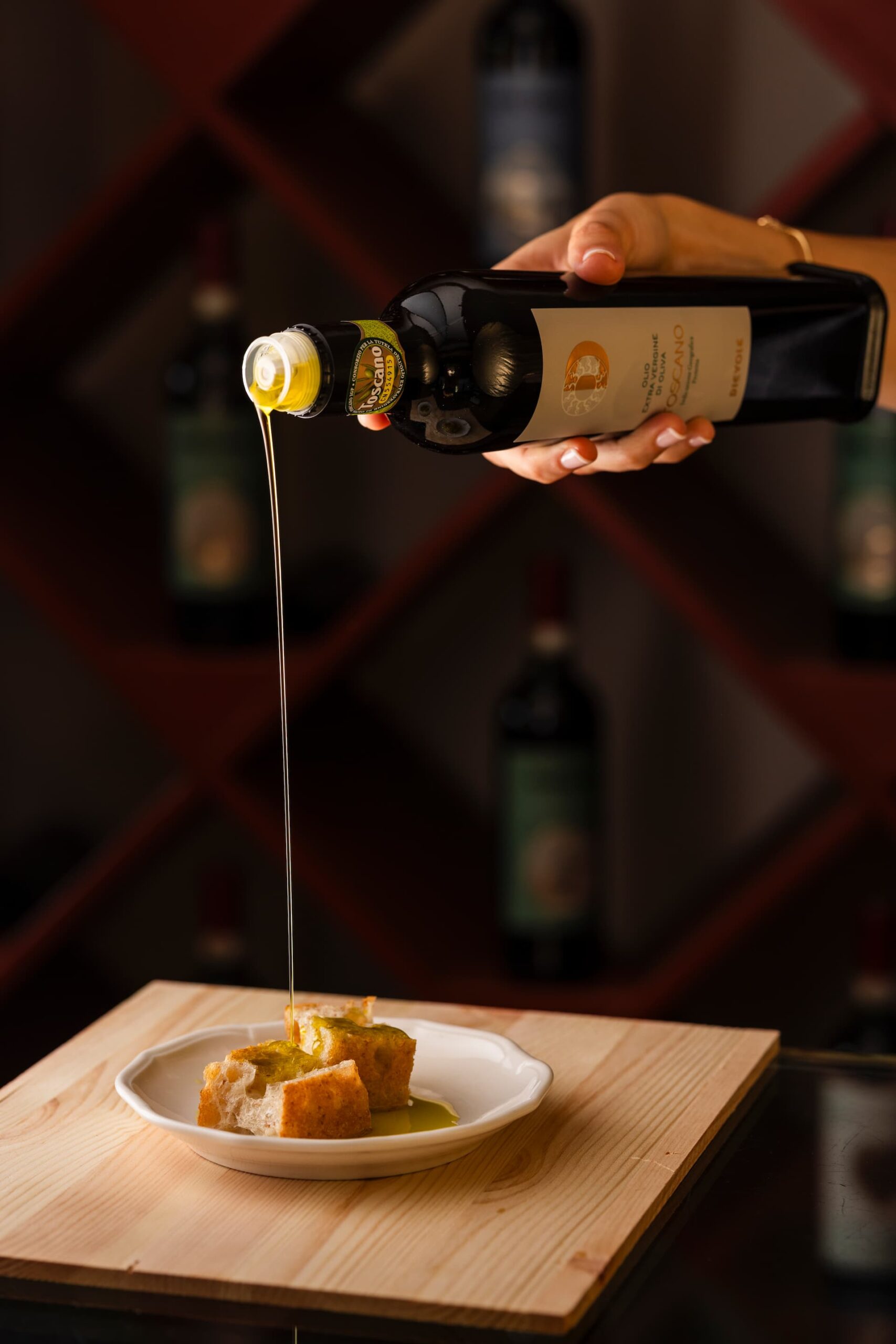
A structured private tasting in which three estate oils are compared through their sensory profiles and paired with small dishes designed to show how flavour changes with food.
The tasting begins at the wine shop; grove and production access are not automatic. Ask which oils will be presented.
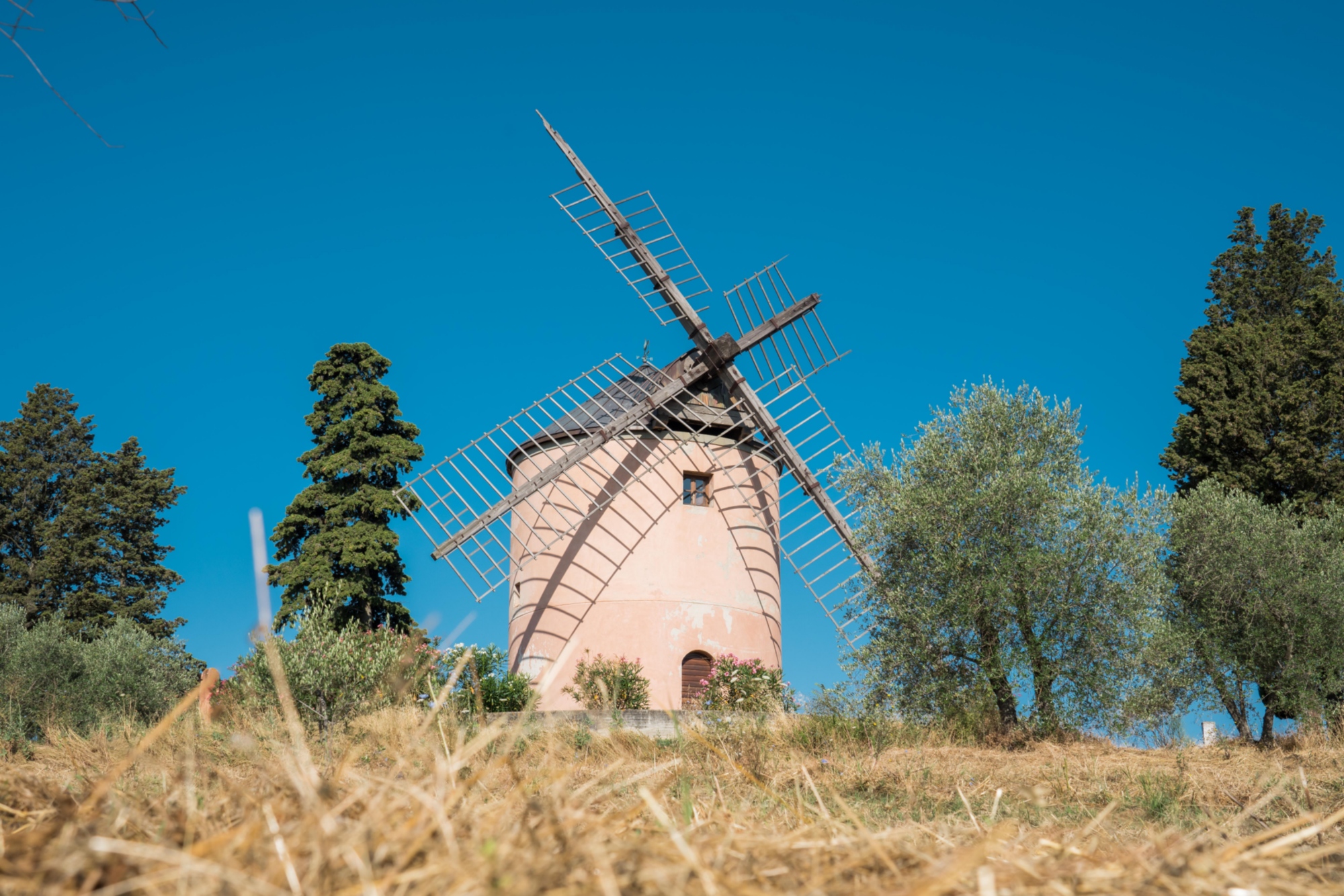
An organic-estate tour linking olive groves, Tuscan oil traditions, a historic windmill and a guided comparison of the farm’s oils.
Ask for the currently available olive-oil and windmill visit; older seasonal programmes may no longer be offered.
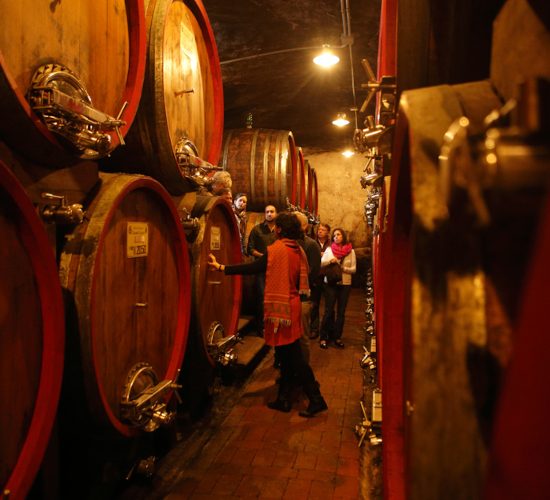
A historic former abbey and Chianti estate where architecture, gardens, agriculture and organic extra virgin olive oil can be experienced together through a reserved tour and tasting.
Most standard visits are wine-led. Request an olive-oil tasting, or arrange a private EVO-focused visit.
A destination-managed olive-oil experience combining an expert tasting lesson, visit to a producing mill and a meal designed around the flavours of Tuscan extra virgin olive oil.
The farm and meeting point are provided after booking. Confirm transport, accessibility and whether the seasonal harvest option is running.
Territory as a guide
These are complete olive-oil journeys rather than lists of producers. Each day connects a Tuscan landscape with a protected origin, historic mill, tasting venue, village or museum.
These are complete olive-oil journeys rather than lists of producers. Each day connects a Tuscan landscape with a protected origin, historic mill, tasting venue, village or museum.
Choose Lucca or Monte Pisano for the closest experience, Chianti or Reggello for a classic central-Tuscany day, and Valdichiana, Montalcino or Seggiano for a deliberate journey into southern Tuscany.
Book one anchor first. Add one village, landscape walk or cultural stop, then leave enough time for the tasting. Olive-oil tourism works best slowly.
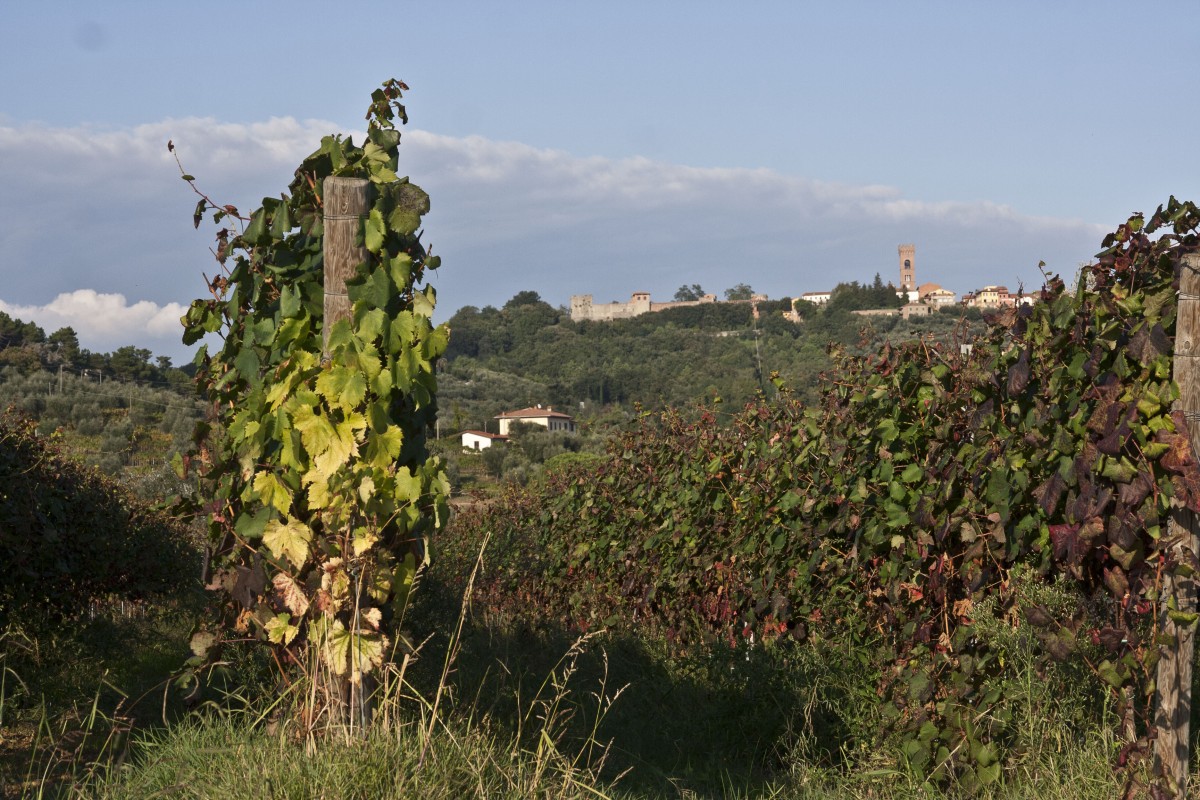
The essential local olive-oil day, connecting the cooperative culture of the Compitese with the villa-farms and hill estates of Capannori and Montecarlo.
This territory deserves a focused day. Begin with one booked mill in the Compitese, then add a nearby estate or hill village.
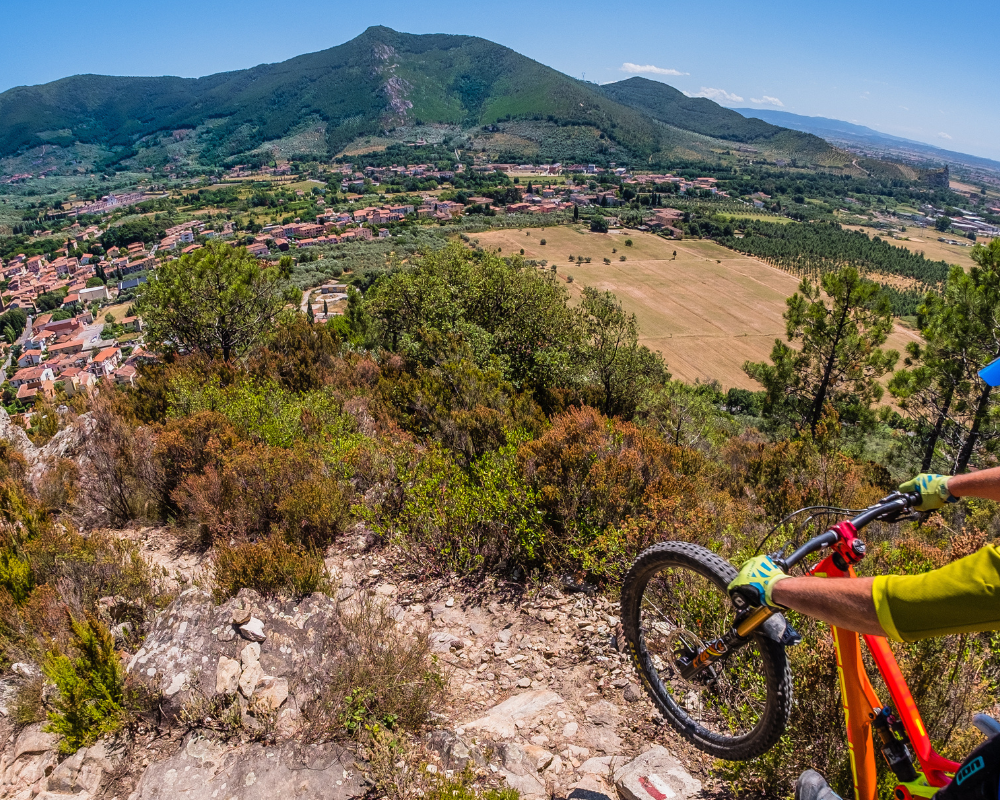
A complete oil landscape of terraced groves, cooperative mills, historic water-powered production and sensory tasting between Buti, Vicopisano and Calci.
Book one working mill as the main visit, then choose either Buti, Vicopisano or Calci for a cultural or landscape stop.

A journey that reads Chianti through olive oil rather than treating it only as a wine region, comparing protected oils, specialist producers and historic estates.
Reserve one oil-focused estate or mill. Keep the day light on winery visits and ask whether the tasted oil carries Chianti Classico DOP certification.
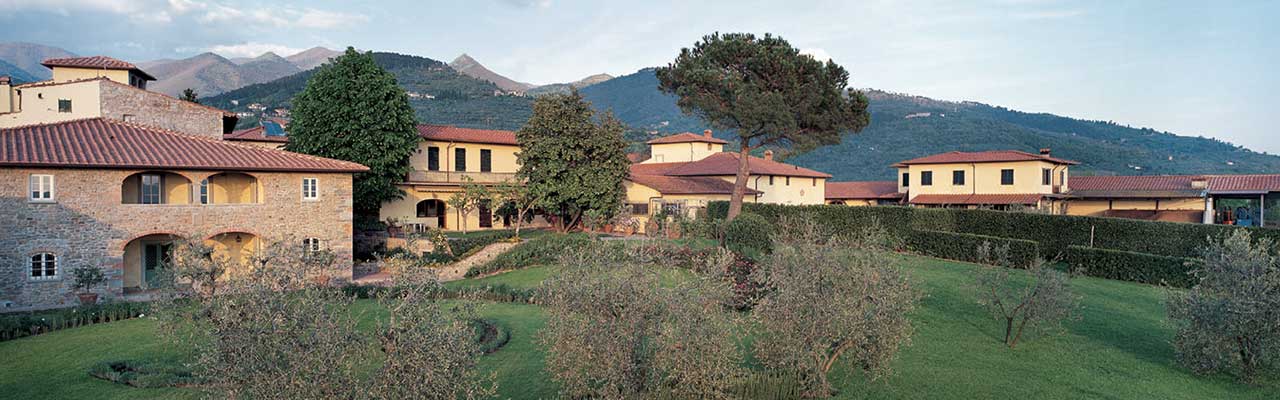
A journey through one of Tuscany’s best-known new-oil territories, combining a historic mill tradition with the landscapes and cultural sites of Reggello and Vallombrosa.
Book the mill visit directly and confirm the language and tasting. Autumn festivals are seasonal and should be checked close to travel.
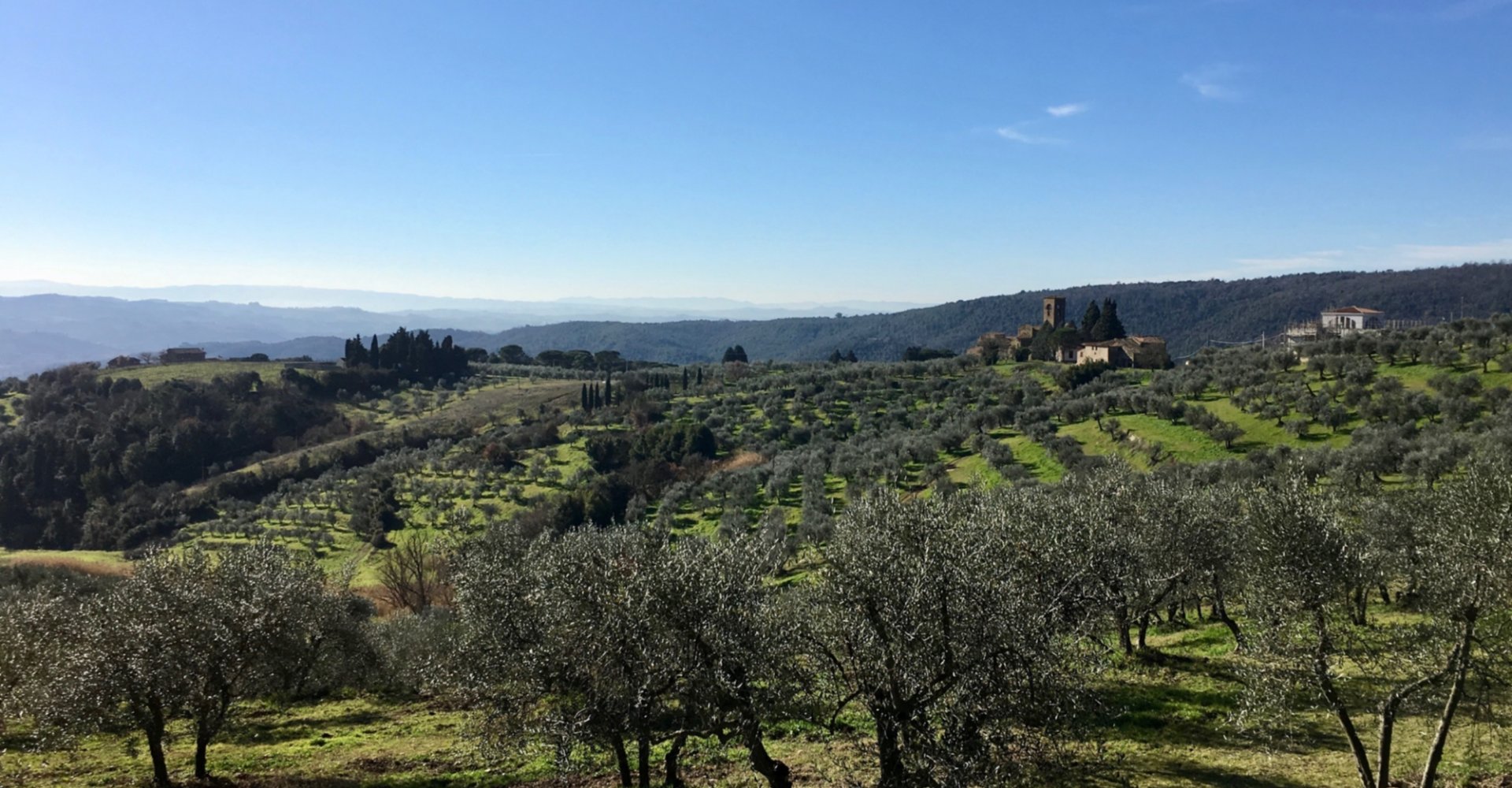
A varied hill journey linking olive cultivation, Vinci, rural villages and the recognised Montalbano Oil and Wine Road.
Arrange the mill visit and tasting directly for your dates. Add Vinci or the Leonardo Museum only as a separate cultural stop.
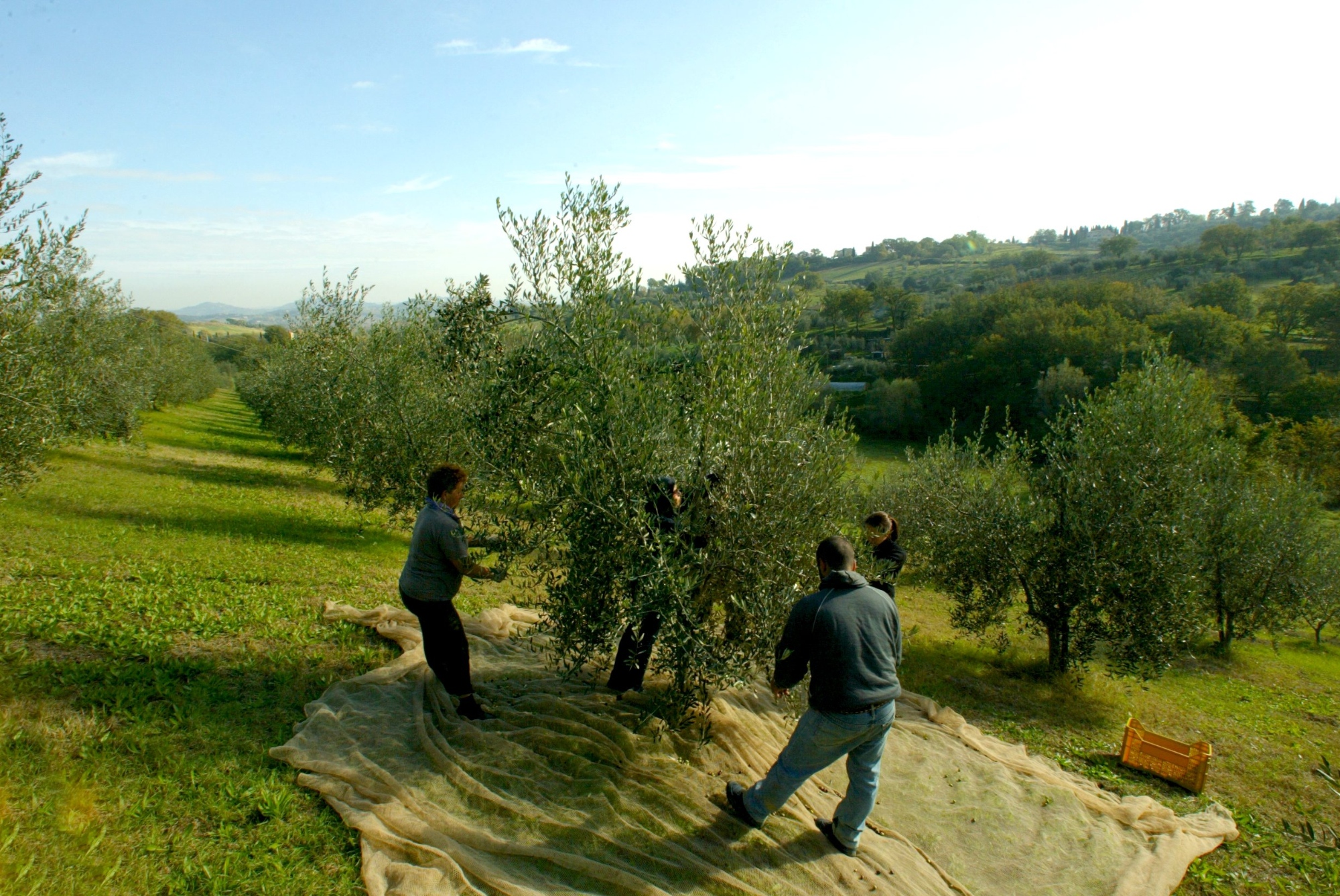
A structured southern-Tuscany oil day combining expert tasting, a producing mill, local food and the villages and landscapes of the Valdichiana Senese.
The producer and meeting point are assigned after booking. Confirm transport and accessibility before adding a nearby village.
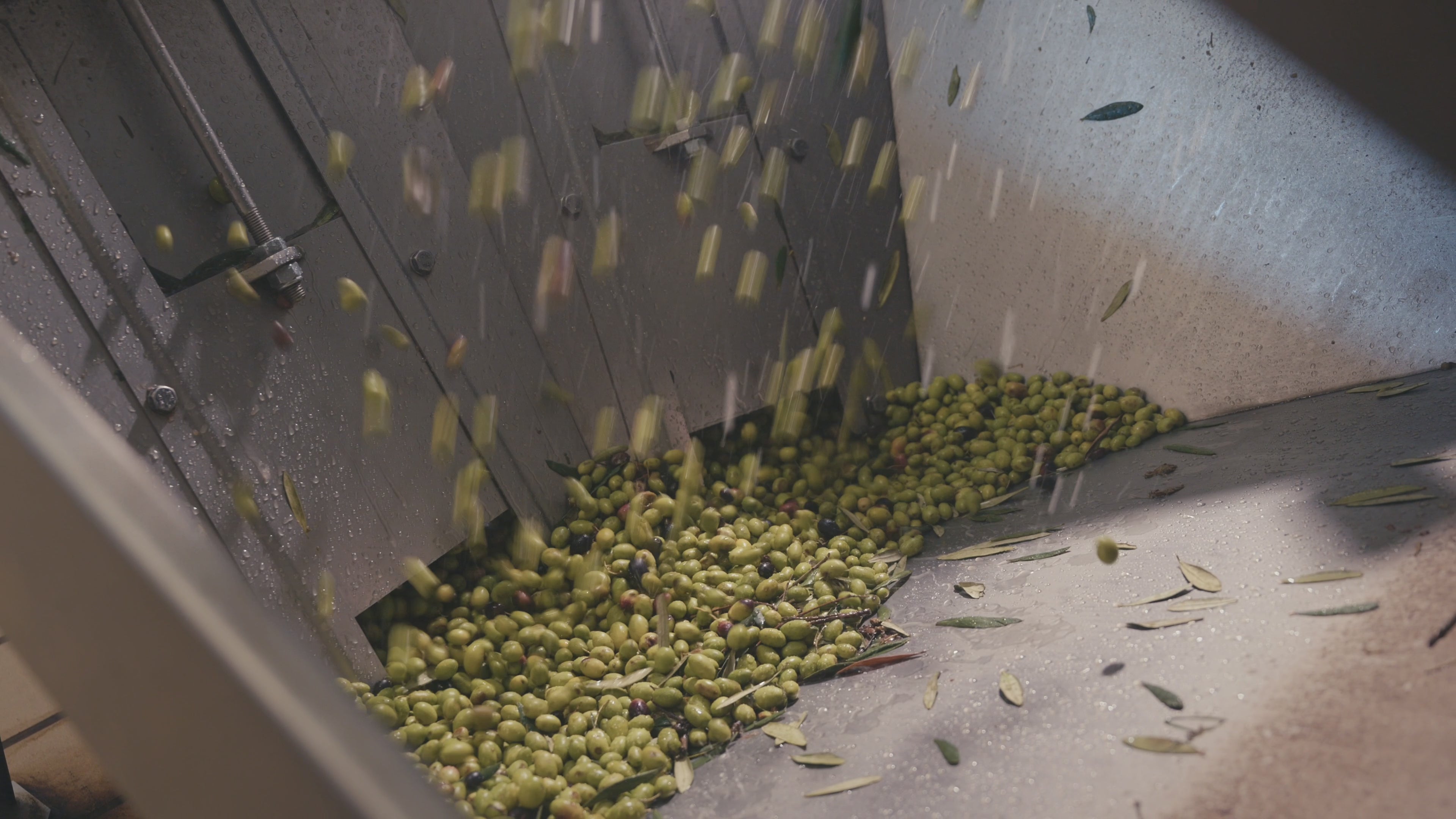
An oil-first journey in a territory usually approached through Brunello, centred on a guided mill visit and comparative tasting before exploring Montalcino or the Val d’Orcia landscape.
Choose the oil-focused tour, ask questions about production and tasting, and leave enough time for Montalcino or one Val d’Orcia stop.

Tuscany’s most distinctive cultivar-led olive-oil journey, connecting the Olivastra Seggianese with a distributed oil museum, historic village and mountain olive landscape.
The museum route and producer tasting are separate visits. Confirm both in advance and ask which individual oils carry Seggiano DOP certification.
Continue exploring Tuscany
Go back to the main collection of Filippo’s curated places, food, culture and local experiences.
Share your experience
If the guide was useful, your own words are enough.
Keep the guide growing
The guides are free. Optional support helps keep them checked and updated.